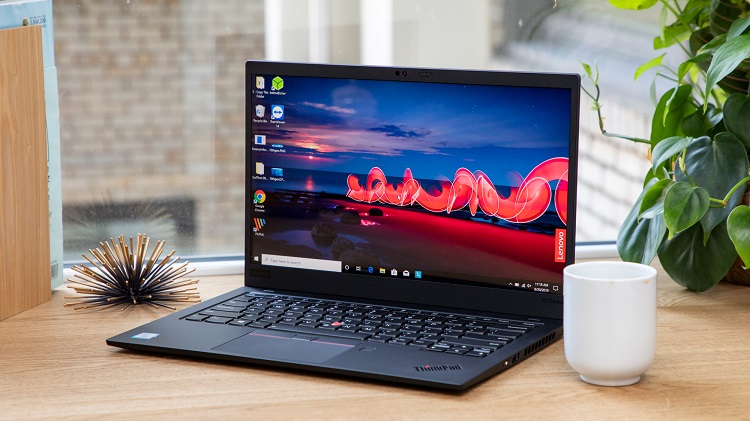
A laptop computer is a small personal computer. They are designed to be more portable than traditional desktop computers, with many of the same abilities. Laptops are able to be folded flat for transportation and have a built-in keyboard and touchpad.
The device derives its name from being able to be used by resting on a person’s lap without the need for a desk or other surface. Laptop computers may also be referred to as notebook computers, though a notebook computer usually describes a computer that is smaller and lighter than a laptop computer.
How Does a Laptop Computer Work?
Similar to personal computers, laptops require a power source—they can be plugged into an outlet or operate on their internal battery. Laptop computers can be used at a desk by themselves, or as a desktop-style computer by connecting a separate monitor, keyboard, and mouse.
Types of Laptop Computers
While there are no specific types of laptops, retailers generally give them categories for consumers to help them find one for their needs. Some of the labels you might find at a retailer are:
Value
Everyday
Gaming
Professional
Ultraportable or notebook
Value laptops usually have lower price tags, with lower-performing hardware, and less storage and memory for people that only do basic computing such as a few hours of internet browsing, playing a movie, or writing some papers.
Everyday laptops might have slightly higher performance with more storage and memory for people that use computers more than a value-user would. This might be someone who uses the laptop for work or school but doesn’t require significant processing power and storage for 3D applications like 3d Max or gaming.
Gaming laptops have mid-to-high-end mobile 3D graphics cards and processors designed to play graphically intensive games while being able to do all the other tasks expected of computers.
Professional targeted laptops will have graphics cards designed for studio uses such as 3D graphics creation and rendering, analyzing large amounts of data, or other professionally intensive uses. They will have high-end processors, more memory, and more storage to handle demanding workloads.
 People Making Technology